A traditional passenger boat crossing misty West Lake in Hangzhou.

Hangzhou · Landscape, Literature & Public Life

MIC CuratedHosted ExperienceCustomisable

Reading West Lake from the Water

Read West Lake as a designed relationship between water, causeways, hills, boats, stories and the public life that continues around them.

Request First

Price and availability are confirmed after the date, group size and supplier readiness are verified. No payment is requested at this stage.

DestinationHangzhou
Duration2.5–3.5 hours
GroupPrivate or learning group
LanguageEnglish cultural interpretation by confirmation
A passenger boat crossing the misty surface of West Lake in Hangzhou

Landscape, read from the water

West Lake is not one view. It is a relationship between water, causeways, hills, boats and public life.

From the water, familiar landmarks stop behaving like isolated sights. Distance, sequence and reflection reveal how poets, engineers, gardeners, boat operators and generations of residents have made one landscape carry memory and everyday life at the same time.

ReadThe wider system NoticePeople and choices UnderstandThe place in context

Three ways in

Move from observation to understanding.

Each chapter adds a different perspective. Together they form one coherent experience rather than a list of disconnected stops.

Small passenger boats moving across West Lake with central Hangzhou beyond the shoreline

01 / Vantage

Let the water change the frame

A moving boat changes scale and sequence. Watch islands, shorelines and city edges appear in relation rather than as separate postcard views.
Leifeng Pagoda, wooded hills and passenger boats seen across West Lake

02 / Memory

Read the stories carried by landmarks

Use pagodas, hills and named scenes to ask how literature, legend, reconstruction and tourism shape what later generations believe they are seeing.
Bicycles, cars and walkers sharing Bai Causeway beside West Lake

03 / Public life

Return the landscape to the city

Causeways, bicycles, walkers and working boats show that West Lake remains public infrastructure and lived space, not only a protected image.

MIC experience principle

“Do not collect ten famous views. Ask what changes when the same landscape is read from water, shore and daily life.”

A possible experience arc

Question, crossing, interpretation and a return to shore.

The experience combines a confirmed licensed boat journey with a short shore-based reading. The exact pier, vessel, route and landmarks depend on current operations, weather and the group’s learning priorities.

Passenger boats crossing West Lake at sunset beneath willow branches
Real West Lake boats, landmarks and public shoreline · exact route and vessel by written confirmation
  1. 01

    Establish the question

    Begin on shore by choosing one lens—designed landscape, literary memory, public life or environmental stewardship—to follow across the experience.

  2. 02

    Board and change perspective

    Move onto the water with a confirmed vessel and notice how distance, sound, motion and reflection reorganise the lake.

  3. 03

    Interpret relationships, not a checklist

    Connect selected landmarks to causeways, hills, boats and the changing city without turning the journey into a recital of names.

  4. 04

    Test the reading from shore

    Disembark for a short walk and compare the composed lake view with traffic, cycling, walking and the ordinary public life beside it.

Request First. Hangzhou published a sightseeing water route in 2021 with ten stops, an approximately 90-minute loop and on-board commentary; current piers, timetable, fare, vessel type and availability must be revalidated. MIC confirms the licensed operator, route, English interpretation, weather policy, life jackets, capacity, child and accessibility arrangements, emergency procedure, transport and cancellation terms in writing before quoting. MIC is an independent organiser and does not imply endorsement by the city or boat operator.

Ready when you are

Place this experience in context.

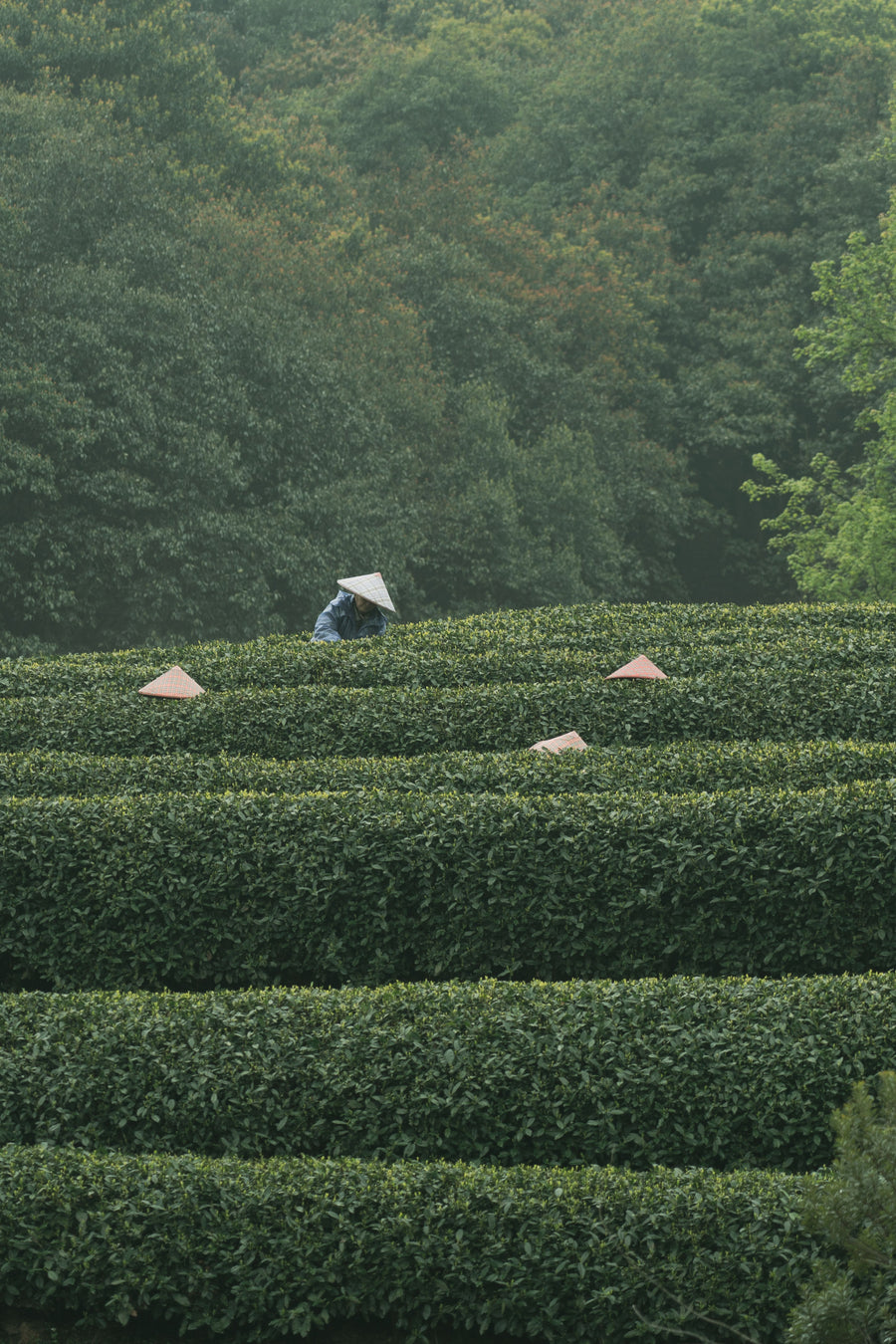
Use this as Hangzhou’s landscape chapter, then pair it with Longjing tea country, the National Tea Museum or low-carbon systems to compare how culture, ecology and city life are designed, maintained and renewed.

Open the lensLandscape from a moving viewpoint
Core experienceStories carried by landmarks
Continue the questionPublic life around the lake